Commercial Tree Care Service
Commercial Tree Service Solutions for Businesses
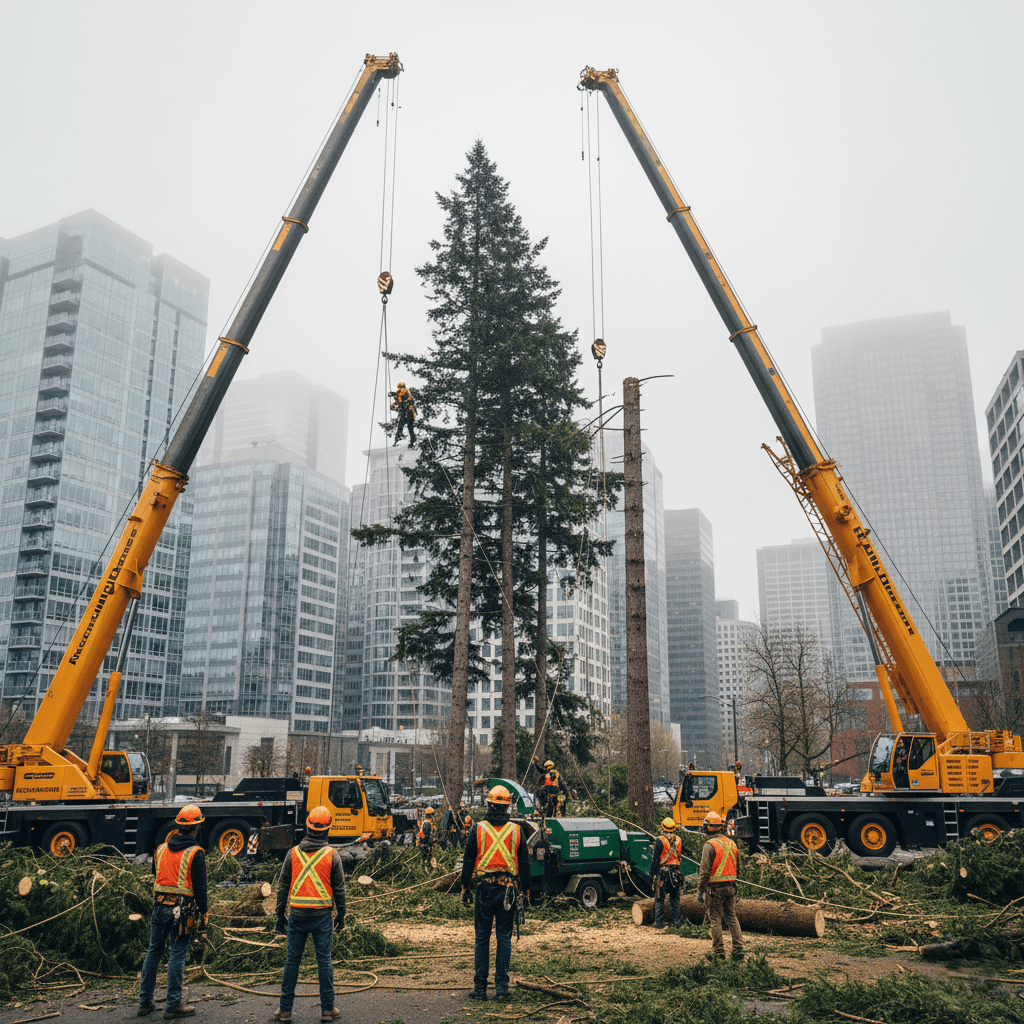
Seattle Tree Trim and Removal specializes in providing a full range of tree service solutions to commercial customers. Our goal is to assist with managing and maintaining the exterior appearance of your property while also ensuring all aspects of your commercial landscape are maintained to minimize the risk of liability issues and ensure your tenants remain satisfied.
We understand that managing commercial landscapes can be challenging and time-consuming, and therefore offer a variety of commercial tree service options, including regular maintenance programs, emergency response services, and a complete range of services designed to enhance the overall appearance of your property and protect your liability interests.
Our commercial customers will receive dedicated account management, priority scheduling, consistent quality of service regardless of how many locations you have, and comprehensive documentation to support insurance and regulatory requirements. We strive to be viewed as an extension of your property management team by providing a level of reliability in our service that you can count on year after year.
Get A Free Quote
The Importance of a Professionally Maintained Commercial Property
First Impression is Everything in Business
More than likely, a client, customer, or tenant will make their first impression of your commercial property through its exterior landscaping (trees) before they even enter the building. Properly maintained trees show that you are a detail-oriented owner/manager who takes pride in the overall quality of your properties. It also creates an attractive environment that draws and retains tenants. Furthermore, it increases the overall value of your property. On the other hand, if your trees are unkept, have dead limbs, are overgrown, and/or present a hazard, it sends a signal that you do not manage your properties effectively.
Liability and Risk Management for Commercial Property Owners/Managers
As a commercial property owner/manager, you are exposed to considerable liability risk as a result of accidents/injuries that occur on your property as a direct result of trees. Broken branches falling during storms, trees obstructing visibility, etc., can lead to expensive lawsuits and claims. Professional arborists will identify and remove these hazards prior to them becoming problems. This provides documentation of your due diligence to protect you from liability and risk exposure.
Satisfaction and Retention of Tenants
Landscaping is one of the most important elements to satisfy and retain commercial and residential tenants. Attractive, well-groomed landscaping (trees) enhances the attractiveness of a commercial space for businesses to rent, and for residential tenants, enhances the beauty and safety of the outdoor living areas. Preventive maintenance of trees helps ensure that this valuable amenity remains available to your tenants.
Preservation of Asset Value
Each mature tree represents tens of thousands of dollars of asset value. A qualified arborist will extend the life of your trees, prevent diseases, and maintain the structural integrity of the trees, thereby protecting your investment. Additionally, properly cared for trees increase the overall value of your property and provide an attractive feature to potential buyers or investors.
Our Commercial Tree Care Services
Scheduled Maintenance Programs
Our routine maintenance programs are scheduled ahead of time, so we know when we will be out to your location; we keep all your locations in optimal conditions year after year.
Benefits of the Program:
Regularly scheduled visits that fit into your operating schedule.
The same level of service quality is delivered to every one of your properties.
Annual budget for tree service without surprise bills.
Emergency service priority.
Detailed documentation of our work and reports.
One person to call for all of your locations.
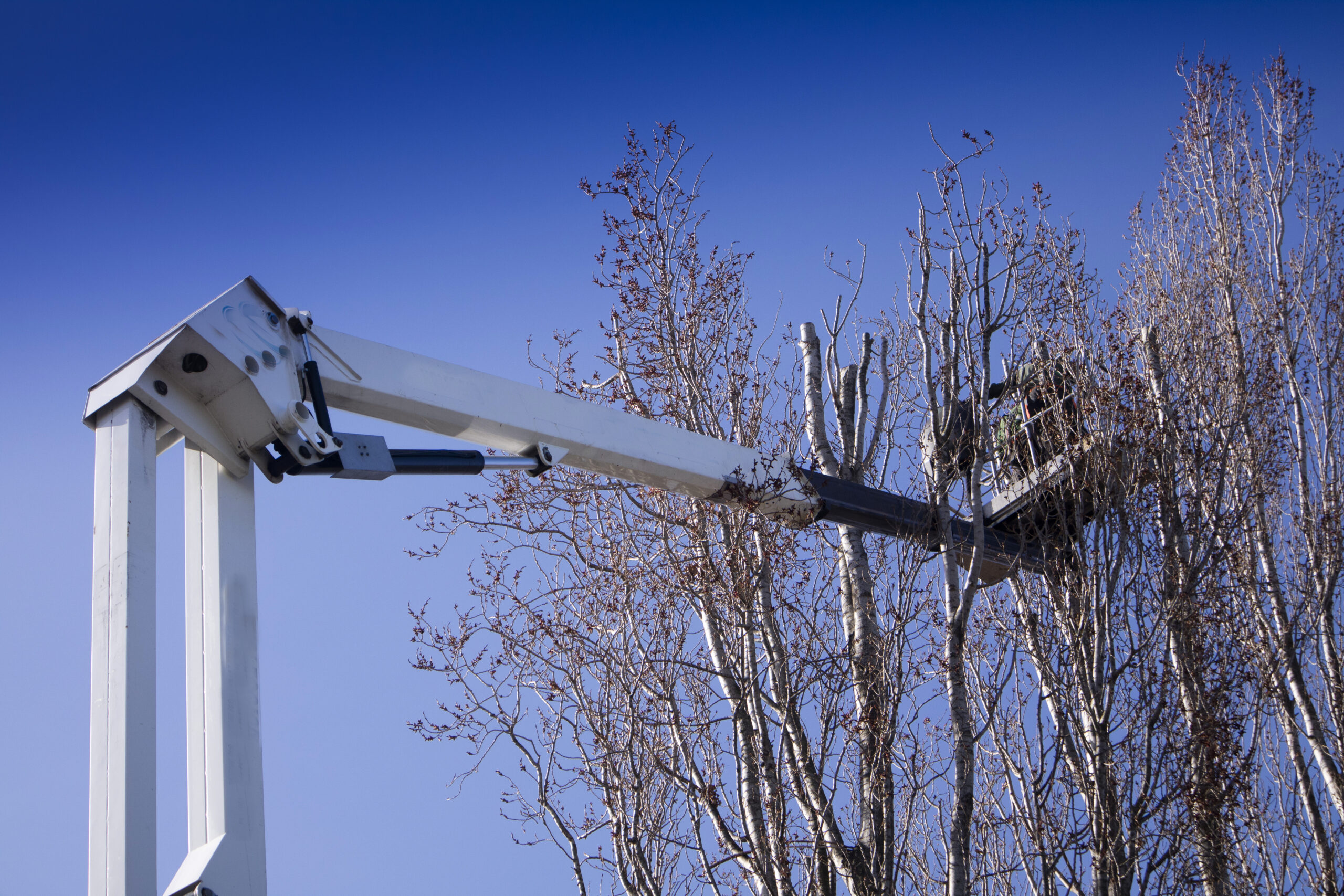
Routine Maintenance Includes: Regular trimming/pruning of your trees, deadwood removal, clearing maintenance around your buildings/walkways, preventing storm damage, seasonal inspections, and identifying potential hazards.
Schedule Frequency: We create maintenance schedules based on the needs of your properties, the type of trees, and your budget. Many people choose to do their routine maintenance quarterly, semi-annually, or annually, depending on the needs of their property. Emergency responses are also available as needed.
Property Evaluation and Tree Inventory
Knowing what you have is the first step in being able to effectively manage it.
Complete Tree Inventory: We document all of the trees located on your properties, detailing species, size, condition, and location. This provides you with a baseline to help you plan budgets, insurance requirements, and long-term development for your properties.
Risk Assessment: Our certified arborists evaluate each of your trees for potential problems such as structural damage, disease, pests, or hazards due to the proximity of other objects. Based on this evaluation, we provide recommendations for the trees with the highest risk issues first.
Management Plan: A detailed plan of recommended care for each of your properties, including when the care should take place, priorities, and estimated costs for future planning over several years.
Parking Lot and Pedestrian Clearance
Ensuring that your properties allow safe and easy access.
Vehicle Clearance: Pruning to ensure sufficient clearance for large delivery/ service vehicles and tall passenger vehicles. We understand the typical clearance requirements and can make accommodations for special requirements.
Pedestrian Safety: Keeping pedestrian walkways clear of low-hanging branches and removing tripping hazards caused by roots and/or debris on the ground.
Visibility Management: Keeping sight lines clear of obstructions at entrance/exit points, intersections, and driveways to maintain safety and security. Addressing branches that interfere with security cameras, lighting, or signage.
ADA Compliance: Providing accessible pathways that comply with ADA regulations for commercial properties.
Sign and Building Clearance
Protecting your investment in sign and structure visibility.
Sign Visibility: Strategic pruning to keep sight lines clear to business signs, monuments, and directional elements while maintaining the overall health of the trees.
Building Protection: Maintaining proper clearance between branches and rooflines, gutters, windows, and HVAC units. Also, preventing damage to branches rubbing against the building or providing a pathway for pests.
Exterior Facade Protection: Protecting exterior facades from branch contact that may damage siding, paint, or architectural design elements.
Budget Management and Cost Control
Scheduling Maintenance Programs
Annual budgeted expenses are predictable due to scheduled maintenance programs; thus, you can establish an annual budget based on established costs for planned expenditures and therefore minimize the risk of unexpected expenses disrupting forecasted budgets.
Volume Discounts
The volume of properties within our portfolio is a significant factor in reducing unit pricing; the more locations we service, the more efficient we become in providing services; consequently, we reduce the cost of our services and pass these reductions onto our customers in the form of lower prices.
Repair Costs vs. Preventive Costs
Maintenance that takes place on a regular basis will always be at a significantly lower cost than responding to an emergency or repairing damage that has occurred as a result of neglecting to perform routine maintenance; as such, preventative maintenance protects not only the owner’s budget but also the property itself.
Various Methods of Payment Options
Our company accommodates many different methods of payment options, such as purchase orders, single invoices for multiple properties, electronic payments, and invoice payment cycle(s) to match the customer’s accounting procedures.
Change Order Estimates
When additional work needs to be performed, we provide written estimates to the customer prior to performing the additional work so that they may approve any additional costs prior to completion. This ensures that the customer remains in complete control of their budget.
Workplace Safety and Regulatory Compliance
The Company’s Safety Policy
At our organization, workplace safety is a core value of every aspect of our business. The following are components of our comprehensive workplace safety policy:
Required Training: All employees receive regular safety training; maintain their certification in operating specific equipment; receive training on how to safely operate various types of equipment; and recognize hazards related to each employee’s assigned job tasks.
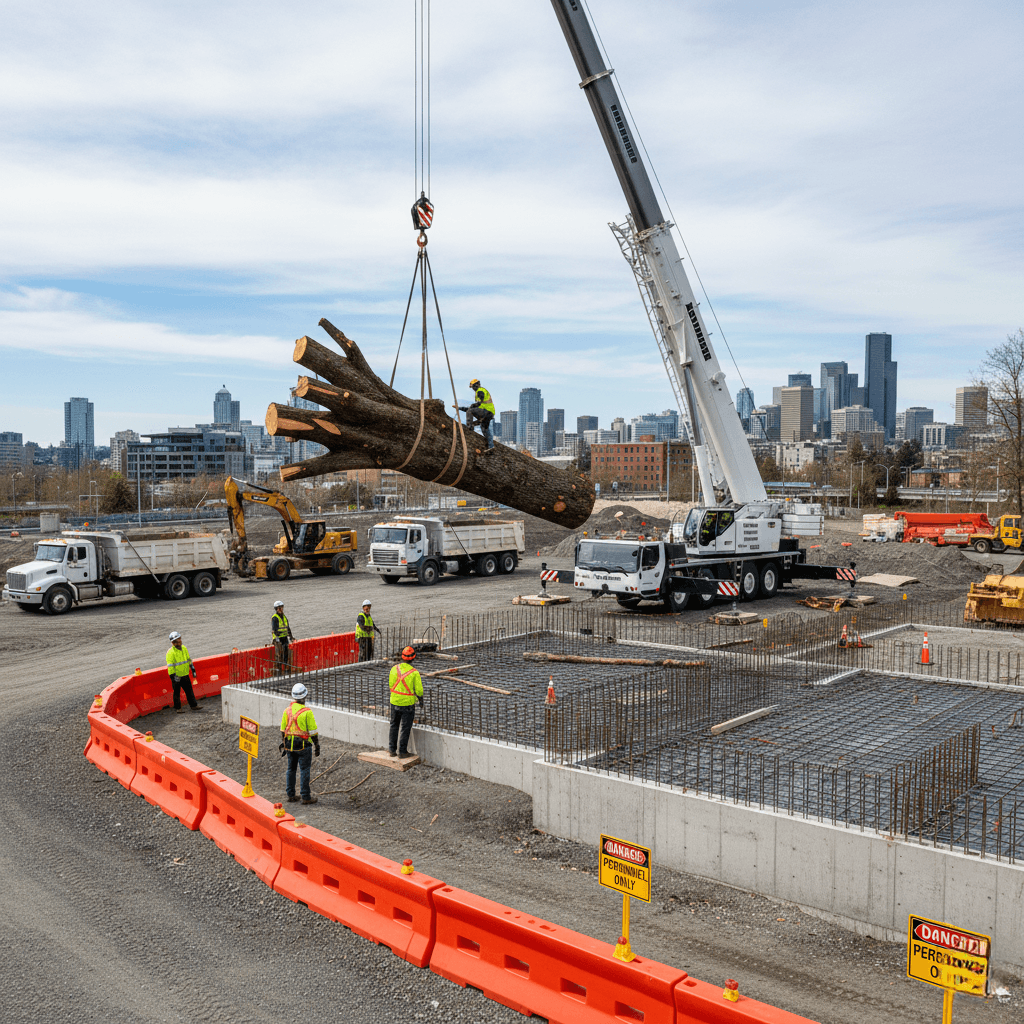
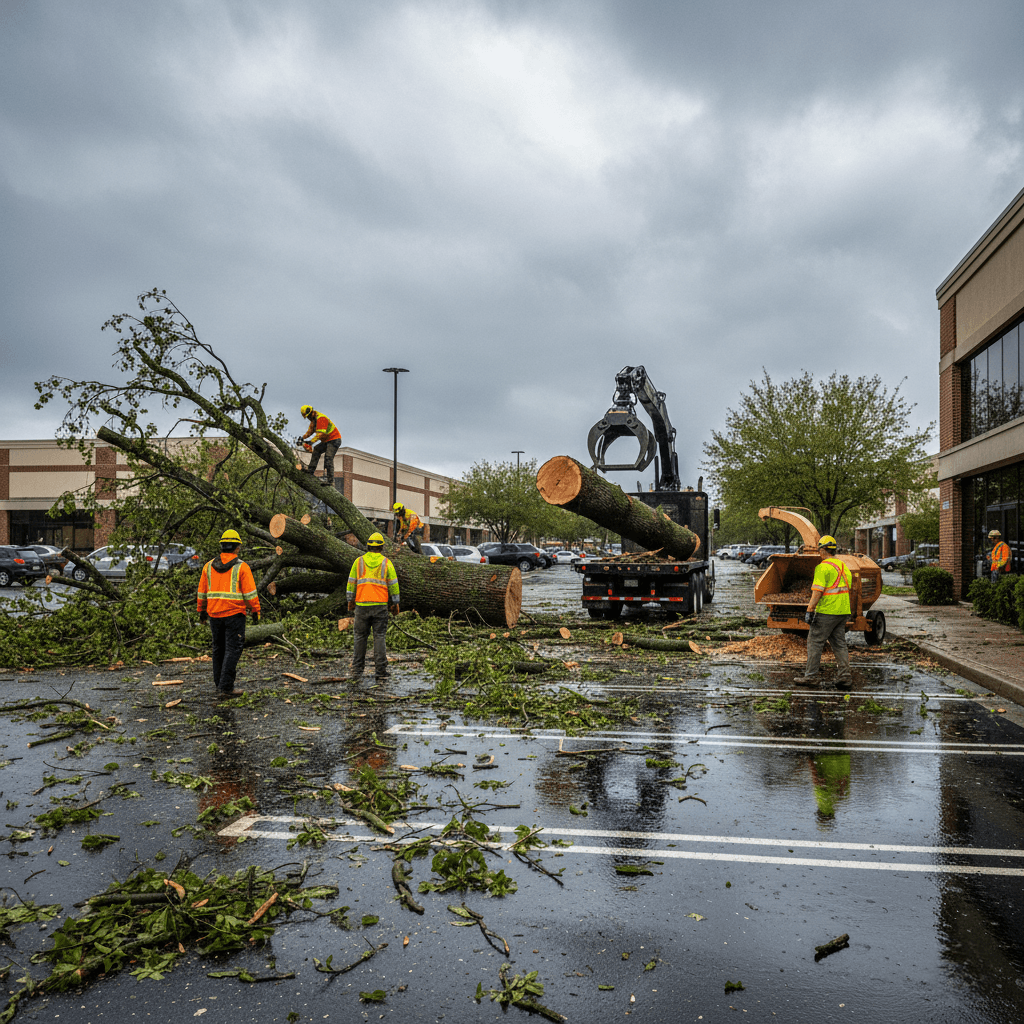
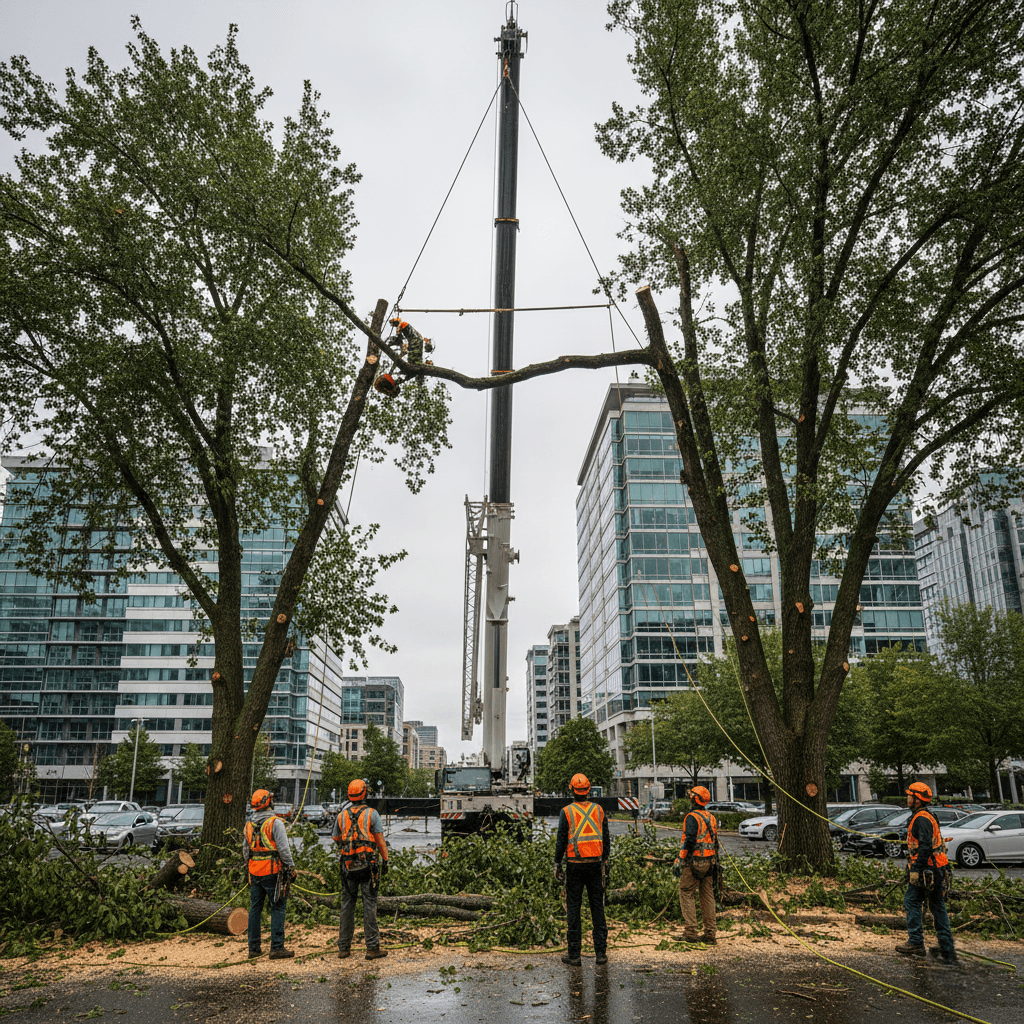
Safety Equipment: Provide personal protective equipment (PPE) for all crew members; ensure proper maintenance of all tools and equipment used by crew members; provide traffic control equipment when performing work near roadways; provide emergency response equipment and supplies.
Job Site Safety: Conduct pre-job safety meetings; establish designated safe work zones and use barriers to segregate workers from potential hazards; continuously monitor the work area for potential hazards; and have developed emergency communication systems in place.
Sustainability & Environmental Responsibility
Sustainable Commercial Landscaping
As part of its commitment to sustainability and environmental responsibility, our organization will follow these environmentally responsible practices as they relate to commercial arboriculture:
Integrated Pest Management: Use the “least toxic” methods to manage pests and diseases; prioritize using biological controls and targeted treatments versus broad-spectrum treatments.
Waste Reduction: Recycle the wood debris generated during removal activities into mulch, firewood, or biomass instead of disposing of the debris at a landfill; minimize the amount of waste generated through efficient removal and pruning techniques.
Equipment Efficiency: Maintain and utilize modern, efficient equipment that produces fewer emissions and uses less fuel; plan routes that produce less environmental impact.
Support Native Plant Species: Recommend planting native species when replacing trees that will help support local ecosystems and reduce the need for additional inputs (such as fertilizers, pesticides, etc.).
Water Conservation: Provide irrigation recommendations that strike a balance between promoting tree health and conserving water.